Ancient Ink: The Premium Display Font for Digital Branding
In the crowded landscape of web design, your choice of typography often dictates the first impression a user has of your digital product. Ancient Ink is not merely a collection of characters; it is a visual narrative inspired by runic languages that were once considered sacred and divine. As a designer who builds landing pages, app interfaces, and online stores, I have found that this display font offers a unique opportunity to infuse brand identity with a sense of history, mystery, and authority. When you need a typeface that commands attention without sacrificing legibility, Ancient Ink stands out as a powerful asset in your design toolkit.
Defining the Personality of Your Digital Space
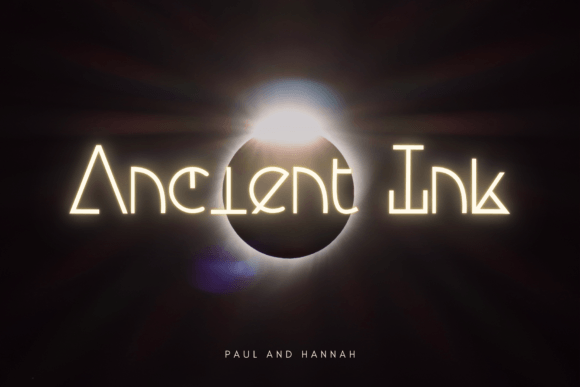
The visual characteristics of Ancient Ink are rooted in its inspiration from ancient runes. It possesses a rugged yet elegant aesthetic that feels both timeless and modern. Unlike generic serif fonts or overly ornate script fonts, this creative font strikes a balance between decorative flair and structural integrity. The strokes vary in thickness, mimicking the hand-carved look of stone inscriptions while maintaining the clean lines required for screen rendering. This makes it an ideal choice for brands that want to project authenticity, craftsmanship, or a connection to heritage.
When applied to a website header or a hero section, Ancient Ink immediately establishes a specific tone. It suggests that the content behind the text is substantial and worthy of trust. For a boutique online store selling artisanal goods, this font can elevate the perceived value of the products. Similarly, for a SaaS founder launching a course page, it adds a layer of gravitas that standard sans-serif fonts might lack. The font's personality is versatile enough to work with dark backgrounds for a moody, immersive experience or light backgrounds for a clean, editorial look.
Strategic Placement for Visual Hierarchy
Effective web design relies heavily on visual hierarchy to guide users through a conversion-focused layout. Ancient Ink excels as a primary heading typeface, but it should be used with intention. Its strength lies in short phrases, titles, and call-to-action areas where impact is paramount. Using it for body copy would be counterproductive, as the intricate details of the glyphs can reduce reading speed on mobile screens. Instead, reserve Ancient Ink for headlines, subheadings, and logo text to create a clear distinction between navigation elements and informational content.
Consider a scenario where you are designing a landing page for a coaching program. You could use Ancient Ink for the main headline to grab attention, then pair it with a simple sans-serif font for the bullet points describing the benefits. This contrast creates a rhythm that keeps the user engaged. The decorative nature of the font acts as a visual anchor, drawing the eye to key messages like "Start Your Journey" or "Limited Offer." In banner ads and social media graphics, these bold, distinct letters ensure your message cuts through the noise of a busy feed.
Optimizing Readability Across Devices
While Ancient Ink is a display font designed to make a statement, its usability in digital environments depends on how it is implemented. On smaller devices, such as smartphones, the fine details of the runic-inspired shapes can become blurry if the font size is too small. To maintain readability, ensure that the font size for headings is generous and that there is sufficient line height when using it for multi-line text. Testing the font on various screen sizes is crucial to ensure that the character spacing remains consistent and that the text does not feel cramped.
Contrast is another critical factor. Because Ancient Ink features complex serifs and varying stroke widths, it performs best against solid, high-contrast backgrounds. If you plan to place the text over an image or a gradient, use a subtle drop shadow or a semi-transparent overlay to ensure the letters remain legible. This approach preserves the artistic integrity of the font while adhering to accessibility standards. For buttons, the font works well when the text is short, such as "Get Access" or "Learn More," provided the button itself is large enough to accommodate the visual weight of the type.
Mastering Font Pairing for Web Design
No single typeface can handle every aspect of a website's typography. The true power of Ancient Ink is unlocked when paired correctly with a complementary typeface. Since Ancient Ink is a highly stylized display font, it pairs exceptionally well with neutral, geometric sans-serif fonts for body text. A clean sans-serif font provides the necessary breathing room and clarity for long-form content, allowing the decorative headings to shine without overwhelming the reader.
For projects requiring a more editorial or sophisticated identity, pairing Ancient Ink with a classic serif font can create a harmonious blend of old-world charm and modern precision. This combination works beautifully for blogs, portfolio sites, and luxury e-commerce platforms. The key is to maintain a clear distinction in weight and style. Let Ancient Ink carry the emotional weight of the design, while your secondary font handles the functional task of communication. This strategy ensures that your brand identity remains consistent across all touchpoints, from the initial ad click to the final checkout page.
Practical Applications in Digital Products
The versatility of Ancient Ink extends beyond standard websites. Creative entrepreneurs can utilize this premium font for digital templates, email newsletters, and presentation decks. Imagine a creative portfolio site where the artist uses Ancient Ink for their name and project titles, instantly communicating a unique artistic voice. Or consider a product landing page for a historical fiction book, where the font reinforces the genre and sets the mood before the user even reads the synopsis.
In the realm of online education, Ancient Ink can serve as a powerful branding element for course modules and certificates. The font's association with ancient knowledge and sacred language aligns perfectly with educational themes. By integrating the font into the course sales page, instructors can create a sense of exclusivity and depth that encourages enrollment. Furthermore, for graphic designers creating assets for clients, having a font like Ancient Ink in their library allows them to offer custom solutions that stand out in a market saturated with generic options.
Licensing and Technical Considerations
Before integrating Ancient Ink into your commercial projects, it is essential to review the licensing terms. Most premium fonts come with specific guidelines regarding web usage, including the number of page views allowed and whether the license covers client work. Ensure that you purchase the appropriate webfont license if you intend to embed the font directly into a website using @font-face or a CDN service. This step protects you legally and guarantees that you are supporting the type foundry.
Technically, check the file formats included with the download. A comprehensive package will typically include OTF, TTF, and WOFF2 files, ensuring compatibility across all modern browsers. Verify that the font includes a full set of alternates, ligatures, and multilingual support if your audience is global. Having access to different weights or styles can also expand your design possibilities, allowing you to create subtle variations in emphasis without switching typefaces. By paying attention to these technical details, you ensure that Ancient Ink performs flawlessly in your digital ecosystem.
Ultimately, Ancient Ink is more than just a font; it is a tool for storytelling. Whether you are building a high-converting landing page, a serene blog, or a dynamic online store, this display font offers the visual punch needed to capture interest and convey a strong brand message. By understanding its strengths and limitations, and by pairing it thoughtfully with other design elements, you can create digital experiences that are not only beautiful but also effective in driving user engagement and trust.